South African Myths and Beliefs Explained: The Legends Many Still Believe Today Why this works
Famous legends, creatures, and traditional beliefs that still shape South African culture today

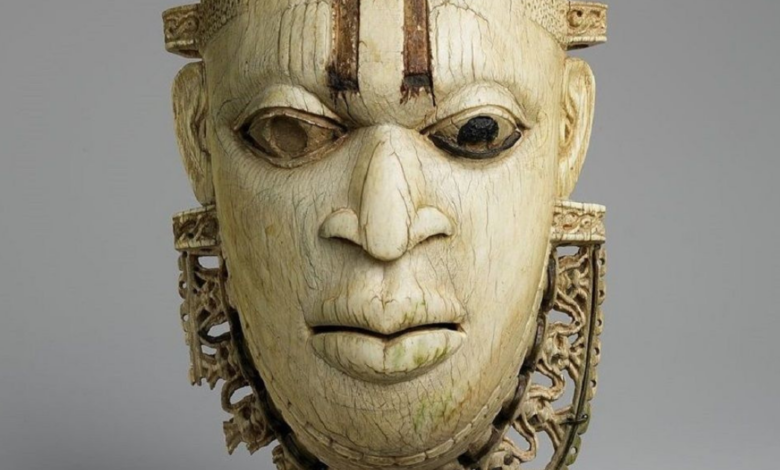
South Africa is rich in culture, history, and storytelling. Long before written records, communities passed down myths, legends, and beliefs to explain the world around them — from strange creatures and spiritual forces to bad luck and protection rituals.
Some of these myths are centuries old, while others are still widely believed today. Below is a clear, simple explanation of the most famous South African myths and beliefs, where they come from, and why they still matter.
Famous South African Myths and Legends
The Tokoloshe

One of the most well-known South African myths. The Tokoloshe is believed to be a small, mischievous creature that causes illness, bad luck, or disturbances — often linked to witchcraft. Many people still raise beds on bricks to avoid it.
Isicitho Symptoms and Solutions: How to Identify and Remove It
Impundulu (The Lightning Bird)

A powerful bird associated with storms, lightning, and witchcraft. It is said to bring destruction or be controlled by witches. Sudden lightning strikes are often linked to this myth.
Grootslang

A legendary creature said to be part elephant and part snake. According to folklore, it lives in deep caves and guards massive treasures of diamonds and gold.
Inkanyamba
A giant serpent believed to live in rivers and dams. It is often blamed for floods, whirlpools, and sudden storms, especially in KwaZulu-Natal and Eastern Cape regions.
@ikanyengmusic
South African Mythology Creatures and Monsters
South African mythology includes many creatures used to explain fear, danger, or natural disasters. These stories often served as warnings — especially to children — to avoid rivers, caves, or dangerous places.
Common themes include:
- Creatures living in water or forests
- Spirits linked to storms and weather
- Beings controlled through witchcraft
These myths helped communities survive by teaching caution through storytelling.
Traditional South African Beliefs and Superstitions
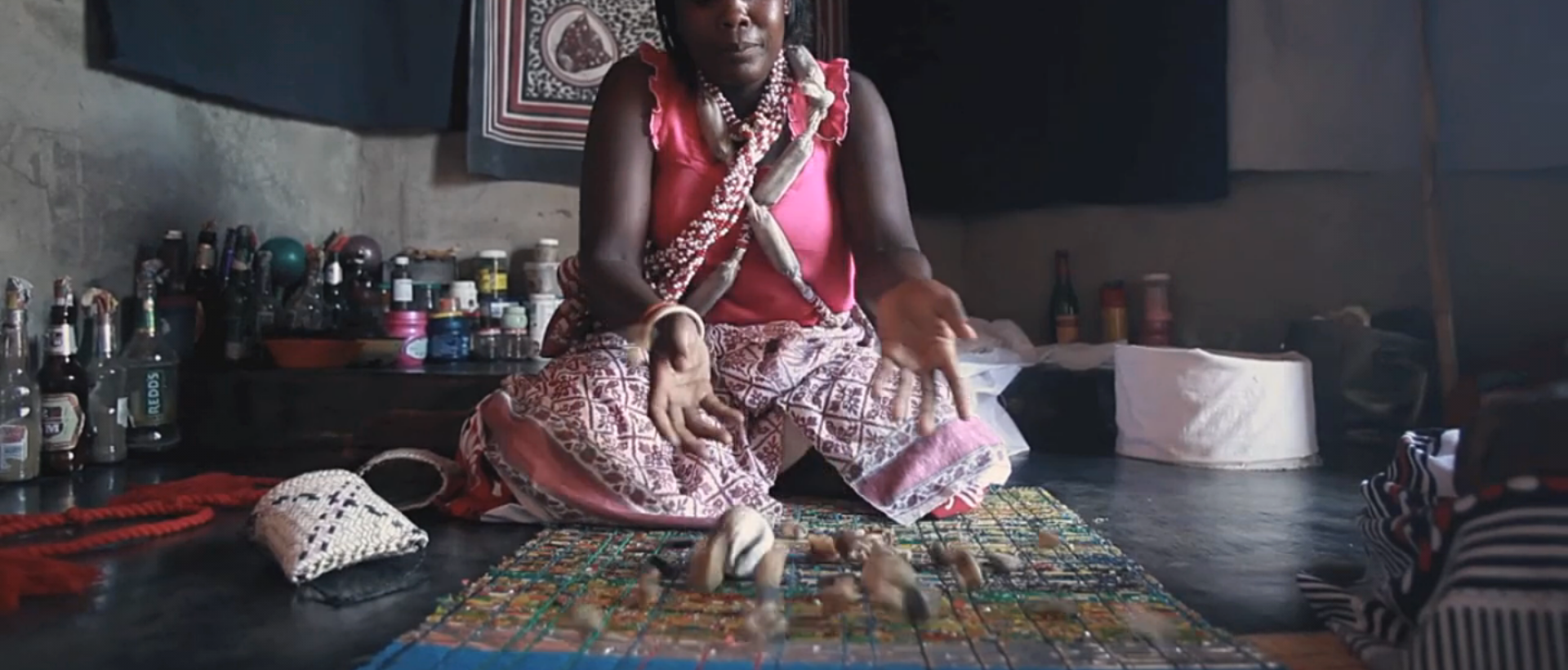
Beyond monsters and legends, many South Africans still hold strong traditional beliefs, including:
Ancestral Spirits
Ancestors are believed to guide, protect, and warn the living — often through dreams or signs.
Witchcraft and Protection
Illness, bad luck, or relationship problems are sometimes believed to be caused by spiritual attacks. Cleansing rituals and traditional healers are often consulted.
Omens and Signs
Animals, dreams, or sudden events may be interpreted as warnings or messages from the spiritual world.
Are South African Myths Based on Truth?
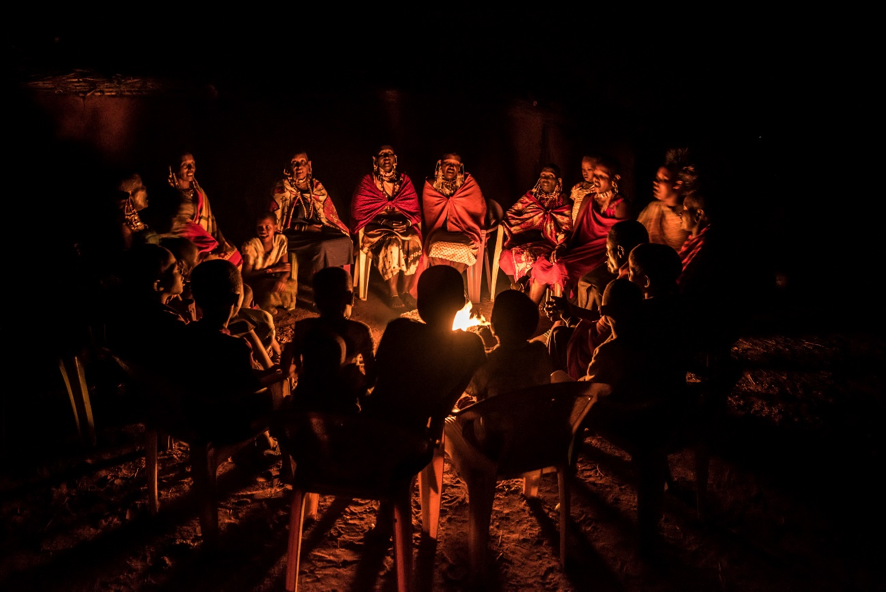
Many myths are believed to have originated from:
- Natural events (storms, floods, illness)
- Psychological fear
- Moral lessons
- Oral storytelling traditions
While science explains many of these phenomena today, the myths remain culturally important rather than meaningless.
Why South African Myths Still Matter Today
South African myths and beliefs continue to matter because they:
- Preserve cultural identity
- Teach moral lessons
- Explain historical fears and experiences
- Influence modern beliefs and behavior
Even in modern cities, these stories still shape how people understand life, luck, and the unknown.
Final Thoughts
South African myths and beliefs are more than just stories — they are a reflection of history, survival, and cultural wisdom. Whether you believe in them or not, they remain an important part of South Africa’s identity and storytelling tradition.
As long as people search for meaning, protection, and explanation, these myths will continue to live on.